



 Home
Home 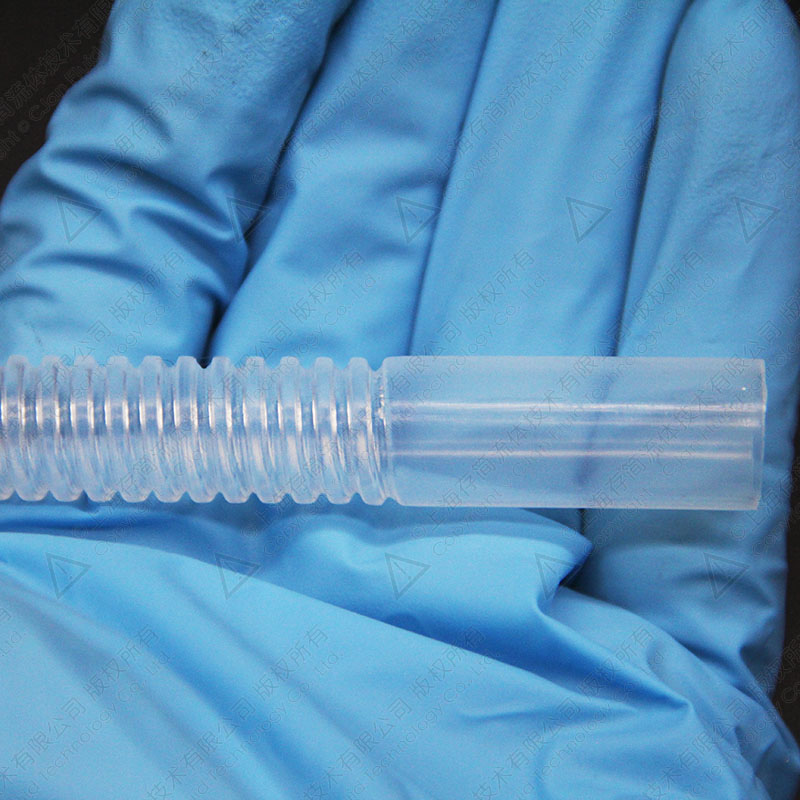
Why Does the New Energy Industry Need Corrosion-Resistant Fluid Piping? PFA Fittings Explained
1. Why Does the New Energy Industry Need Corrosion-Resistant Fluid Piping?
Corrosion-resistant fluid piping is important in the new energy industry because production equipment may come into contact with acids, alkalis, solvents, cleaning solutions and other chemically active media. If a piping material is incompatible with the fluid, problems such as corrosion, swelling, permeation, extractables or seal failure may occur, potentially affecting equipment operation and process quality.
In battery, photovoltaic, hydrogen-related and energy storage manufacturing, fluid piping is often part of a larger process system. Material selection should consider the actual fluid composition, concentration, temperature, pressure, flow conditions and operating cycle. A decision should not be based solely on the industry category or on one material property.
Chemical resistance: Helps reduce the risk of material degradation caused by the process fluid.
Contamination control: Supports evaluation of extractables, particles and other purity requirements where applicable.
Reliable sealing: Requires the tubing, fittings, seals and connection method to work together.
Operating conditions: Requires consideration of temperature, pressure, thermal cycling and installation space.
Maintenance planning: Appropriate material selection and installation can help reduce unplanned maintenance risks.
2. What Are the Main Properties of PFA?
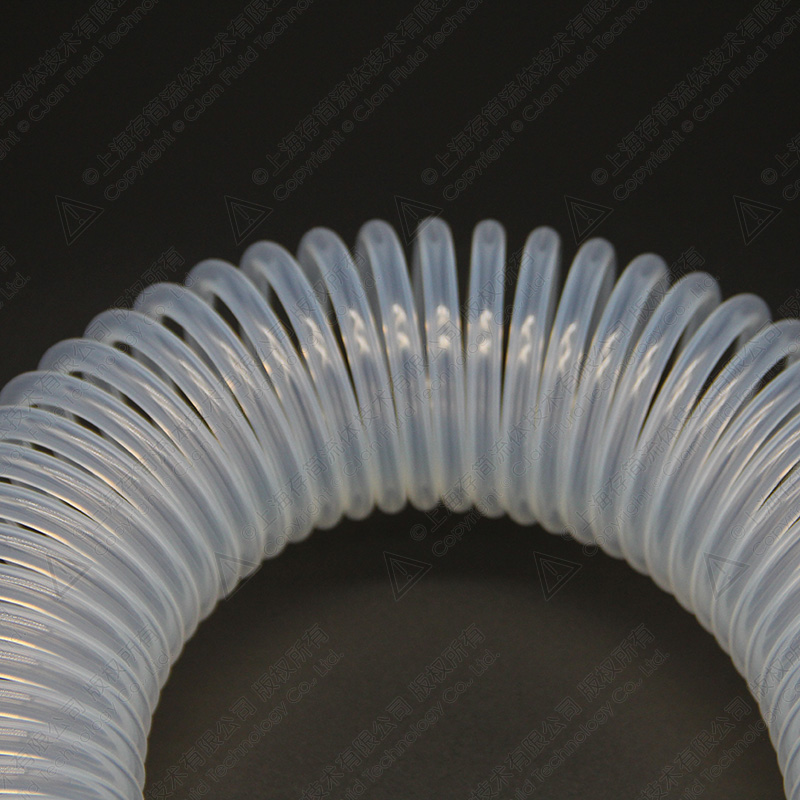
PFA, or perfluoroalkoxy alkane, is a fluoropolymer known for broad chemical resistance, good thermal capability and a low-surface-energy character. These properties make PFA useful in selected fluid transfer applications where chemical compatibility or cleanliness is important.
| Material Property | Potential System Benefit | Selection Consideration |
|---|---|---|
| Broad chemical resistance | Can support transfer of many chemically aggressive fluids | Verify the exact fluid, concentration, temperature and mixture composition |
| Good thermal capability | Can be considered for selected process lines operating at elevated temperatures | Allowable temperature depends on product design, pressure and service conditions |
| Use in clean fluid systems | Can suit applications with defined contamination-control requirements | Confirm material grade, manufacturing process, cleaning method and extractables criteria |
| Low surface energy | May support certain fluid handling and cleaning requirements | Does not prove that every fluid will leave no residue or cause no contamination |
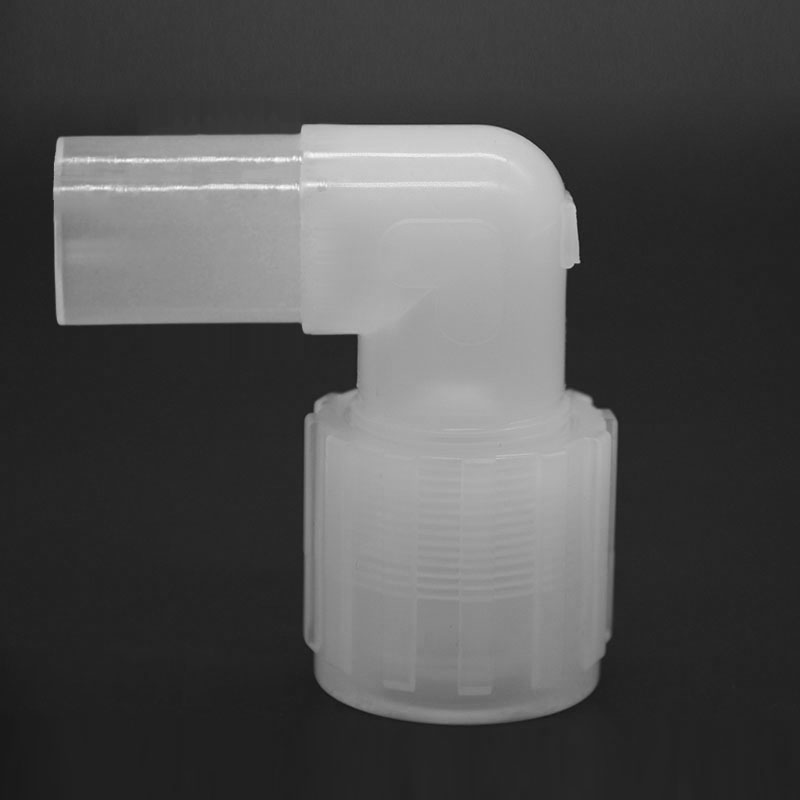
| Availability in tubing and fitting forms | Enables the construction of compatible fluid connection systems | Fitting design, connection method and installation practices remain critical |
3. Where Are PFA Fittings Used in New Energy Applications?
1. Battery Manufacturing and Related Chemical Transfer
Some battery manufacturing and supporting processes involve corrosive chemicals, cleaning media or fluids subject to contamination-control requirements. Where compatibility has been confirmed, PFA tubing and fittings may be considered for selected process-fluid supply lines, chemical transfer duties and equipment connections.
Selection should account for the exact electrolyte or solvent composition, moisture content, temperature, pressure and connection design. Different formulations and operating conditions can have different compatibility requirements. It is therefore inaccurate to assume that every battery electrolyte is suitable for transfer through PFA piping.
2. Photovoltaic Manufacturing and Wet-Process Equipment
Certain photovoltaic manufacturing steps use acids, alkalis, cleaning solutions and other process chemicals. PFA fittings can be evaluated for equipment that requires corrosion-resistant fluid connections, provided that the actual media and operating conditions support their use.
In these applications, chemical resistance is only one consideration. Fluid purity, temperature changes, connection reliability and maintenance procedures also matter. Where metal ions, particles or extractables are tightly controlled, the materials and manufacturing quality of the entire fluid-contact path should be reviewed.
3. Hydrogen and Fuel Cell Equipment
Hydrogen and fuel cell equipment can contain several different fluid systems, including coolant circuits, auxiliary chemical lines and specific gas or liquid circuits. PFA fittings may serve in selected auxiliary fluid applications after verification, but not every hydrogen or high-pressure gas line is suitable for PFA.
For hydrogen, high-pressure gases and systems with strict permeation-control requirements, engineers must specifically evaluate permeation, pressure rating, sealing design, leakage risk and applicable standards. Coolants and chemical auxiliary fluids require their own compatibility and durability assessments.
4. Energy Storage Systems and Supporting Equipment
Energy storage equipment and its manufacturing processes may involve coolants, cleaning media and other process fluids. Whether PFA fittings are appropriate depends on the specific fluid, system design and safety requirements, rather than on the general label of energy storage.
For ordinary cooling circuits that use water or water–ethylene glycol mixtures, PFA should also be compared with other engineering materials. If flexibility, cost, vibration absorption or large-diameter connections are the main priorities, another verified piping material may be more suitable.
4. How Can PFA Fittings Support Fluid System Reliability?
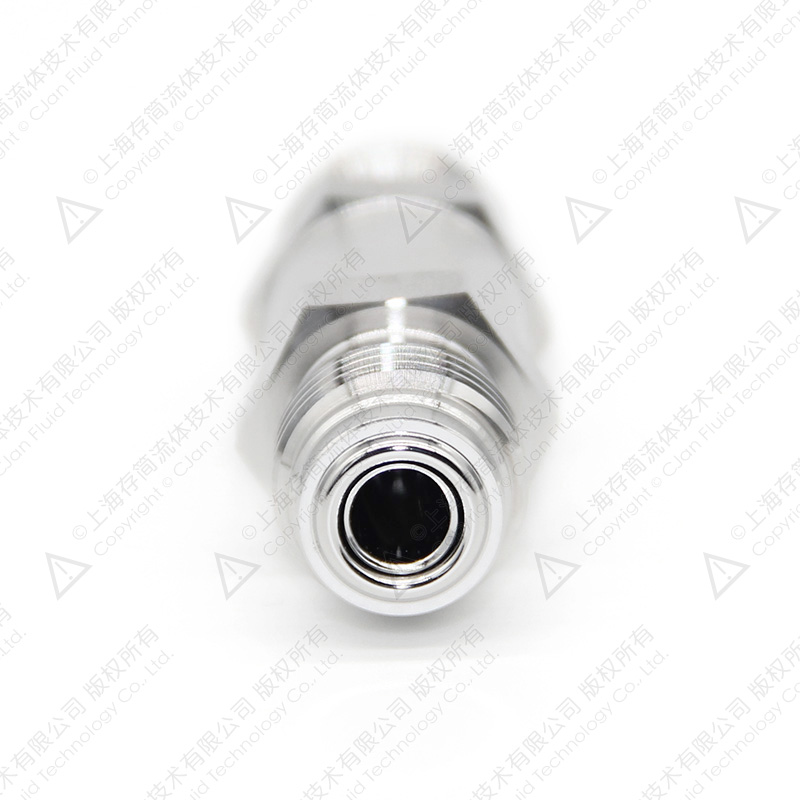
The value of PFA fittings depends not only on the chemical resistance of the material itself, but also on how well the fittings work with tubing, valves, seals and equipment interfaces to form a complete fluid connection system.
Reducing compatibility risks: Reviewing fluid compatibility helps avoid materials that are vulnerable to corrosion or degradation.
Supporting cleanliness control: Applications with defined purity requirements may need evaluation of wetted materials, internal surfaces, cleaning procedures and particle control.
Improving connection design: Fitting selection should reflect tubing dimensions, pressure requirements and available installation space.
Supporting maintenance: Practical routing and standardized connections can make inspection, replacement and troubleshooting easier.
Material performance alone cannot validate an entire system. An incorrectly assembled fitting or an incompatible seal can cause leakage or failure even when the PFA body itself has good chemical resistance.
5. What Should You Check When Selecting PFA Fittings?
A sound PFA fitting selection process evaluates the fluid, temperature, pressure, connection design and quality requirements together. Purchasing and engineering teams should confirm the following information before choosing a product.
Process fluid: Identify the chemical, concentration, mixture ratio and possible impurities.
Operating temperature: Check normal, peak and cleaning temperatures, as well as thermal cycling.
Operating pressure: Confirm the allowable pressure of the tubing and fittings at the target temperature, including pressure fluctuations.
Connection method: Match the fitting design to tubing dimensions, equipment interfaces and maintenance needs.
Seal material: Verify seal compatibility separately instead of checking only the PFA body.
Cleanliness requirements: Establish whether limits for particles, extractables, metal ions or cleaning validation apply.
Installation environment: Consider bend radius, vibration, supports, thermal expansion and external mechanical loads.
Compliance requirements: Review the regulations, industry standards and customer specifications applicable to the specific application.
6. How Does PFA Compare with Other Common Piping Materials?
PFA, PTFE, PVDF, PP and metals each have appropriate uses. Engineering selection should not rely on material names alone. Chemical compatibility, mechanical performance, connection design, cleanliness requirements and total cost all need to be considered.
| Material | Typical Characteristics | Selection Considerations |
|---|---|---|
| PFA | Broad chemical resistance; suitable for selected high-purity fluid systems | Temperature and pressure limits, fitting design, cost and fluid compatibility |
| PTFE | Broad chemical resistance; commonly used in linings, hoses and sealing applications | Specific product construction, connection method, mechanical properties and service conditions |
| PVDF | Good chemical resistance and mechanical performance for selected industrial piping systems | Specific chemicals, temperature and long-term stress conditions |
| PP | Commonly used in selected chemical transfer and industrial water systems | Temperature, pressure, oxidizing media and long-term durability |
| Metal | Can provide high mechanical strength for many industrial connection applications | Corrosion risk, metal-ion requirements, surface treatment and sealing design |
The final choice should be based on actual operating conditions and verified technical data. For complex fluids or high-risk processes, compatibility assessments and appropriate system tests should be completed before the piping material and fitting model are finalized.
7. How Can CJan Fluid Support PFA Fluid Connection Projects?
CJan Fluid Technology Co., Ltd. supplies industrial fluid connection products and related solutions. For new energy applications and associated chemical transfer processes, PFA tubing, PFA fittings and other suitable connection products can be evaluated against the actual fluid, temperature, pressure, cleanliness requirements and equipment interfaces.
For a specific project, it is advisable to define the process fluid and design conditions first, then review product specifications, fitting configuration, seal materials and system validation requirements. Hydrogen, high-pressure gas and other applications with special safety requirements need a dedicated engineering assessment. Material names alone cannot establish suitability.
8. Frequently Asked Questions
1. Why does the new energy industry need corrosion-resistant fluid piping?
New energy manufacturing may involve corrosive chemicals, cleaning fluids and specialized process media. Piping materials must therefore be selected for chemical resistance, sealing reliability and the requirements of the actual process.
2. Are PFA fittings suitable for battery manufacturing?
PFA fittings may be suitable for selected battery manufacturing processes when compatibility with the actual fluid has been confirmed. The fluid composition, temperature, pressure and connection design must be reviewed.
3. Can PFA fittings transfer every type of battery electrolyte?
No general claim can cover every electrolyte. Formulations, solvent compositions and operating conditions differ, so compatibility must be assessed for the specific chemistry and service conditions.
4. Can PFA fittings be used in photovoltaic manufacturing equipment?
PFA fittings can be evaluated for selected photovoltaic processes that require corrosion-resistant fluid connections, subject to confirmation of the actual chemicals, temperature, pressure and cleanliness requirements.
5. Can PFA fittings be used directly for hydrogen transfer?
PFA's chemical resistance alone does not establish suitability for hydrogen service. Permeation, pressure rating, sealing design, leakage risk and applicable standards require a dedicated assessment.
6. What is the difference between PFA and PTFE?
Both PFA and PTFE offer broad chemical resistance, but they differ in melt processing, product construction and certain mechanical properties. Selection should reflect the specific tubing or fitting design and service conditions.
7. What is the temperature range of PFA fittings?
PFA has good thermal capability, but the allowable operating temperature of a specific product depends on its construction, pressure, fluid and manufacturer specifications. One temperature range should not be applied to every product.
8. Why should seals be considered when selecting PFA fittings?
A complete connection includes the fitting body, seal and connection design. Even if the PFA body is compatible with the fluid, a seal may swell, age or lose performance and must be assessed separately.
9. Are PFA fittings always better than other materials?
No. PFA offers advantages in chemical resistance and selected clean-fluid applications, but cost, mechanical requirements, flexibility and connection design also influence the best choice.
10. What information should be provided before purchasing PFA fittings?
Provide the fluid name and concentration, operating temperature and pressure, tubing dimensions, connection type, cleanliness requirements and equipment interface details to support accurate product selection.
Conclusion
The need for corrosion-resistant fluid piping in the new energy industry reflects requirements for process chemical management, equipment reliability and fluid quality control. With broad chemical resistance and good thermal capability, PFA fittings can be used in selected battery, photovoltaic and other new energy processes. Their suitability must still be established through fluid compatibility checks, temperature and pressure limits, seal selection and system validation.
Choosing the right PFA fitting is not simply a material decision. It is part of building a reliable, maintainable fluid connection system that meets the requirements of a specific process.


 TikTok
 H5 Webpage