
Chemical transfer systems require hose materials that can withstand the chemical properties of the fluids being conveyed. Acids, alkalis, organic solvents and high-purity process chemicals may attack conventional rubber hoses, PVC tubing or metal piping under certain operating conditions. Material incompatibility can lead to swelling, degradation, leakage, contamination and unplanned maintenance.
Corrosion-resistant hoses are therefore essential components in many industrial fluid handling systems. Among the available fluoropolymer options, PFA (perfluoroalkoxy alkane) is widely considered for applications requiring excellent chemical resistance, high-temperature capability and clean fluid-contact surfaces.
This article explains why chemical transfer systems need corrosion-resistant hoses, how PFA hose performs, how PFA compares with PTFE and FEP, and what engineers should consider when selecting a chemical transfer hose.
A chemical transfer hose must be chemically compatible with the fluid it carries. Different chemicals can interact with hose materials in different ways, potentially affecting mechanical strength, dimensional stability and fluid purity.
Strong acids, alkalis, oxidizing agents and organic solvents may damage conventional hose materials. Depending on the chemical and exposure conditions, rubber or plastic hoses may experience swelling, softening, hardening, cracking or a loss of mechanical properties.
A corrosion-resistant hose should be selected according to the chemical identity, concentration, operating temperature and exposure duration to reduce the risk of premature material failure.
Chemical leakage can result in equipment damage, personnel exposure, environmental contamination and production downtime. For corrosive, volatile or hazardous fluids, the hose material, reinforcement structure, fittings and sealing design must be evaluated as one system.
In semiconductor, electronic chemical and pharmaceutical manufacturing, chemical resistance alone is not enough. Fluid systems may also require control of extractables, particles, material contamination and chemical residues.
The cleanliness of the hose bore, material stability and the cleaning performance of the complete system can all affect the quality of the conveyed fluid.
A hose selected for the actual operating conditions can help reduce maintenance caused by material incompatibility. Proper selection should also account for pressure, temperature, bend radius, mechanical loads and installation conditions.
PFA stands for perfluoroalkoxy alkane, a melt-processable fluoropolymer. It combines broad chemical resistance with thermal stability and the ability to be processed into a range of tubing and hose constructions.
PFA hoses are commonly considered for fluid transfer systems that require chemical resistance, cleanliness and elevated-temperature performance. The actual performance of a finished hose depends on the resin grade, dimensions, wall thickness, manufacturing process and operating conditions.
PFA offers broad resistance to many acids, alkalis and industrial chemicals. Compared with many conventional rubber and plastic materials, it provides significant advantages in demanding chemical environments.
However, broad chemical resistance does not mean universal compatibility with every chemical, concentration and temperature. Compatibility should always be verified using the exact chemical composition and intended operating conditions.
PFA has good thermal stability and is used in fluid transfer applications involving elevated temperatures. The continuous operating temperature and short-term temperature limits vary among finished hose products.
Engineers should not select a hose based only on the melting point or general thermal properties of the polymer. The hose pressure rating at the operating temperature, dimensional stability and expected service life must also be considered.
PFA has a low surface energy and typically provides a non-stick fluid-contact surface. This can help reduce the adhesion of certain process materials and support applications where cleaning, product changeover and contamination control are important.
Low surface adhesion does not mean that residues cannot form. Cleaning and drainage procedures still need to be validated for the actual application.
PFA is an electrically insulating material and can be used in various industrial fluid handling systems. However, applications involving potentially electrostatic-charging fluids require a separate risk assessment. Flow velocity, fluid conductivity, system configuration and grounding arrangements should be considered rather than relying on the polymer's electrical insulation properties alone.
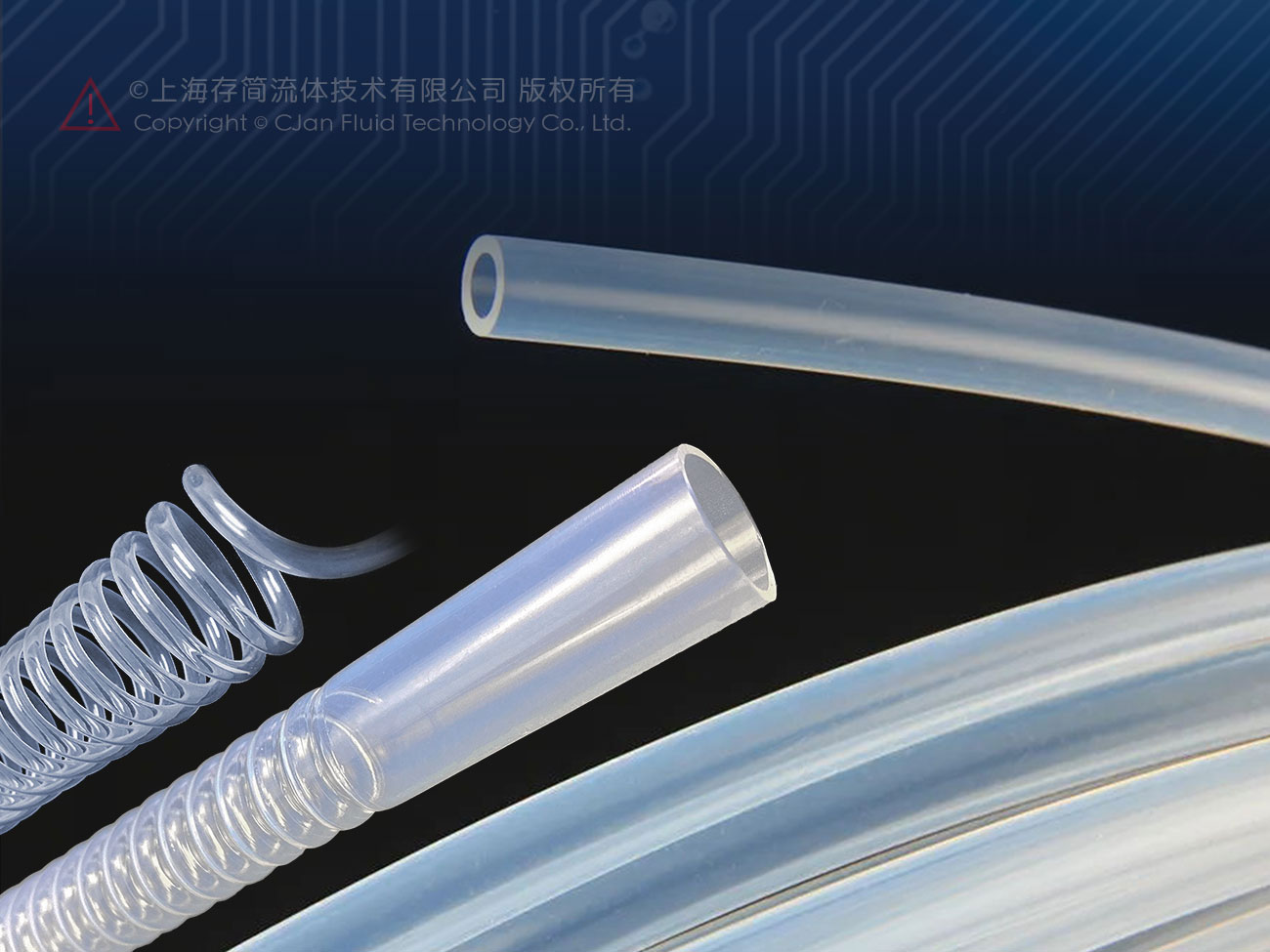
PFA can be processed into different tubing and hose configurations, including smooth-bore tubing, corrugated hoses and other application-specific designs. These constructions differ in flexibility, pressure capability, bend radius and cleaning characteristics.
Important PFA Hose Selection Note
The general properties of PFA resin should not be confused with the rated performance of every PFA hose. Always check the specific product's operating temperature, pressure ratings, dimensions, bend radius and chemical compatibility information.
PFA, PTFE and FEP are all fluoropolymers commonly used in demanding industrial applications. However, they differ in processing methods, mechanical characteristics, temperature capabilities and available product constructions. The right choice depends on the actual application rather than a general ranking of materials.
| Comparison | PFA | PTFE | FEP |
|---|---|---|---|
| Processing | Melt-processable | Generally processed using specialized forming methods | Melt-processable |
| Chemical Resistance | Excellent | Excellent | Excellent |
| Temperature Capability | High | Generally high | Generally lower than PFA and PTFE |
| Transparency | Available in transparent constructions | Generally opaque | Generally good transparency |
| Typical Selection Considerations | High-purity chemicals, chemical resistance and processing flexibility | High chemical resistance and specialized constructions | Transparency and moderate-to-high-temperature fluid transfer |
This is a general material-level comparison, not a substitute for product specifications. For high-temperature, high-pressure, vacuum or dynamic bending applications, engineers should check the construction and performance data of the finished hose.
Semiconductor manufacturing involves various acids, alkalis, solvents and high-purity process chemicals. These applications place demanding requirements on chemical resistance and fluid-system cleanliness. PFA hoses are used in suitable chemical transfer applications where the product and complete system have been properly evaluated.
PFA hoses can be considered for transferring corrosive liquids, acids, alkalis and selected organic chemicals. Suitability should be confirmed based on the chemical concentration, temperature, pressure and exposure conditions.
Pharmaceutical and biotechnology processes may require fluid-contact materials with controlled cleanliness, chemical compatibility and verifiable product documentation. PFA hoses can serve selected chemical and high-purity fluid connection applications, subject to the relevant process and regulatory requirements.
New energy production may involve electrolyte-related materials, corrosive chemicals and other process fluids. PFA hose selection should be based on the actual chemical composition and process conditions rather than assuming compatibility from the application category alone.
Selecting a PFA hose requires more than choosing a diameter or polymer type. The chemical, temperature, pressure, hose construction and connection method must all be evaluated together.
For hazardous or highly corrosive chemicals, obtain written compatibility guidance from the hose supplier and validate the selection under the intended operating conditions. For high-temperature and high-pressure applications, also verify any pressure derating requirements at the operating temperature.
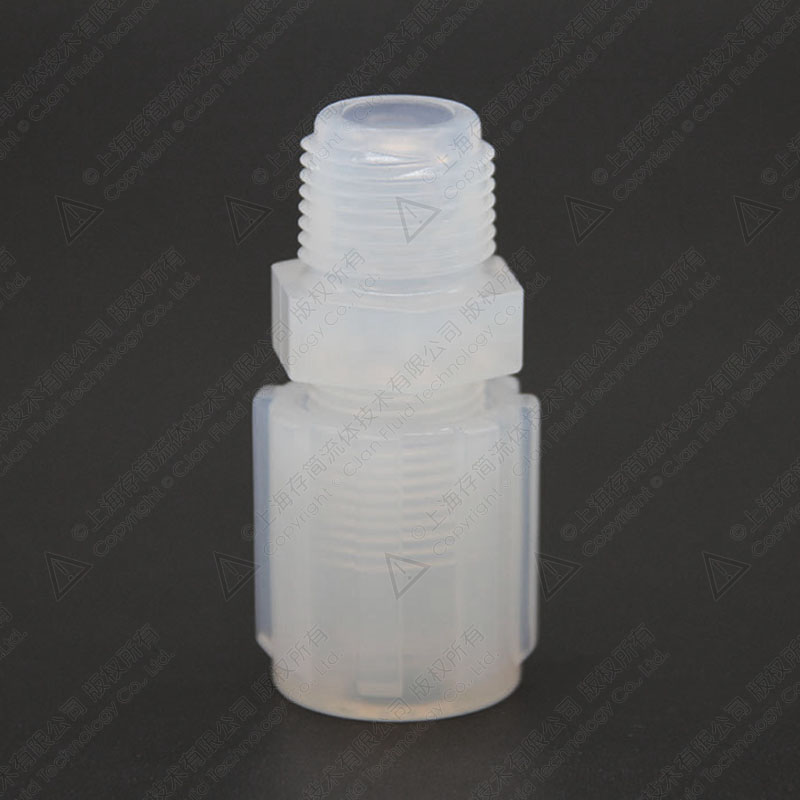
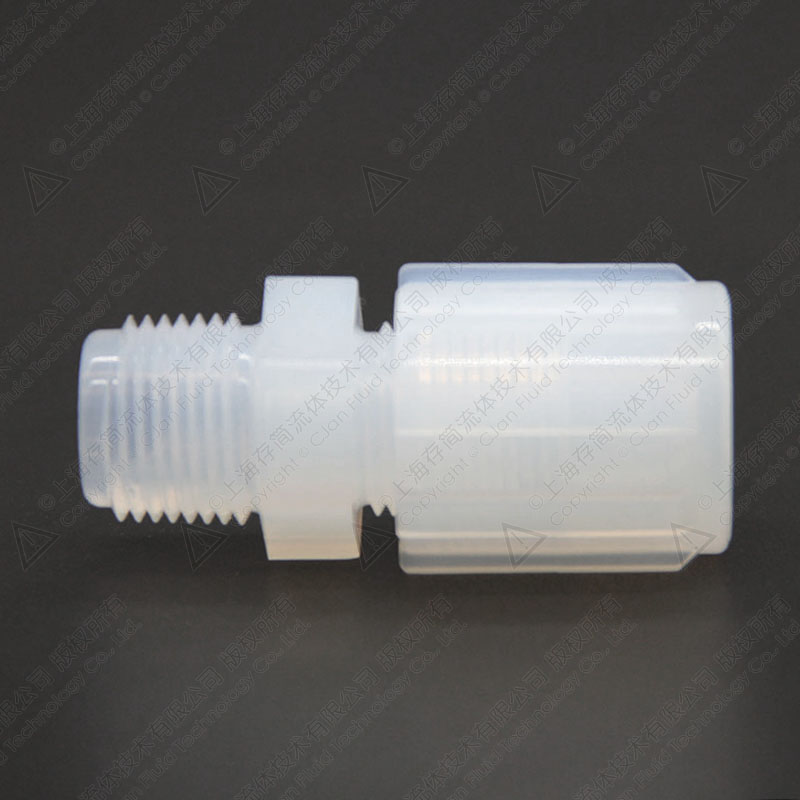
The reliability of a corrosion-resistant hose system depends on more than the hose material. Fittings, seals and connection designs must also be compatible with the chemical and operating conditions.
Common PFA connection solutions may include flare connections, compression-style connections and application-specific connection designs. The appropriate method depends on hose dimensions, pressure rating, temperature, chemical compatibility and maintenance requirements.
In semiconductor and high-purity chemical systems, engineers should also consider fitting surface cleanliness, sealing material compatibility, potential dead spaces, flushing procedures and system drainage.
CJan Fluid Technology Co., Ltd. specializes in industrial hoses and fluid connection products, serving industries including semiconductors, electronic chemicals, pharmaceuticals, chemical processing and new energy.
For applications requiring chemical resistance and high cleanliness, CJan provides PFA hoses and related fluoropolymer fluid connection products. Product selection can be evaluated according to hose construction, dimensions, operating temperature, pressure requirements and compatible fitting solutions.
For example, the PS Series smooth PFA hose features a smooth inner and outer surface. Its product specifications list an operating temperature range of -180°C to +260°C. Actual suitability must still be confirmed according to product dimensions, pressure conditions, chemical compatibility and the intended operating environment.
For systems requiring flexible routing, other hose constructions and connection configurations can also be evaluated according to installation space and bending requirements.
Explore PFA Hoses and Fluid Connection Products
Product website: www.520hose.com
Semiconductor products: cn.cjansemi.com
Contact CJan to discuss your chemical transfer and fluid connection requirements.
Q1: Can PFA hoses transfer all acids and alkalis?
Not automatically. PFA offers broad chemical resistance, but compatibility must be checked for the exact chemical, concentration, temperature, pressure and exposure duration.
Q2: What is the difference between PFA and PTFE hoses?
Both materials offer excellent chemical resistance, but they differ in processing methods, mechanical characteristics, transparency and available hose constructions. PFA is melt-processable and can be extruded into various tubing structures, while PTFE generally requires different specialized processing methods. Selection should be based on the actual product specifications.
Q3: What is the maximum temperature of a PFA hose?
PFA resin has high-temperature capability, but the maximum operating temperature varies among finished hose products. Pressure, wall thickness, fittings and continuous operating time must also be considered.
Q4: Are PFA hoses suitable for high-purity chemical transfer in semiconductor manufacturing?
PFA is a commonly used fluoropolymer in semiconductor high-purity chemical systems. The specific hose must still be evaluated for cleanliness, extractables, particle control, fitting design and system validation requirements.
Q5: Do PFA hoses require special fittings?
Fittings should be selected according to the hose construction, dimensions, pressure and connection requirements. In high-purity or corrosive chemical systems, fitting materials, seals and connection designs must also be chemically compatible.
Conclusion
Selecting a chemical transfer hose requires careful evaluation of material compatibility, operating conditions and connection design. With its excellent chemical resistance, thermal stability and suitability for clean fluid handling applications, PFA is an important fluoropolymer option for semiconductor, electronic chemical, pharmaceutical and specialty chemical industries. Proper material selection, reliable connections and application-specific validation are essential for building a safe and dependable chemical transfer system.

CJan Fluid Technology Co., Ltd. is a professional supplier of fluid technology solutions. Since establishment, we have been committed to solving fluid technology problems for global customers through our own research and development, import agency, and customized product services.



 Home

 TikTok
 H5 Webpage