Analysis on the Composition and Structure of Semiconductor Fluid Delivery Systems
I. What is a Semiconductor Fluid Delivery System?
A semiconductor fluid delivery system is a dedicated piping system used to transport high-purity chemicals, gases, or ultrapure water during semiconductor manufacturing.
This system has extremely high requirements for cleanliness, sealing performance, and material stability. It must meet standards of zero contamination, low outgassing, and high reliability to ensure stability and yield in chip production.
Main Applications of Semiconductor Fluid Systems
II. Core Components of a Semiconductor Fluid Delivery System
A complete semiconductor fluid delivery system typically consists of multiple functional modules:
1. High-Purity Piping System
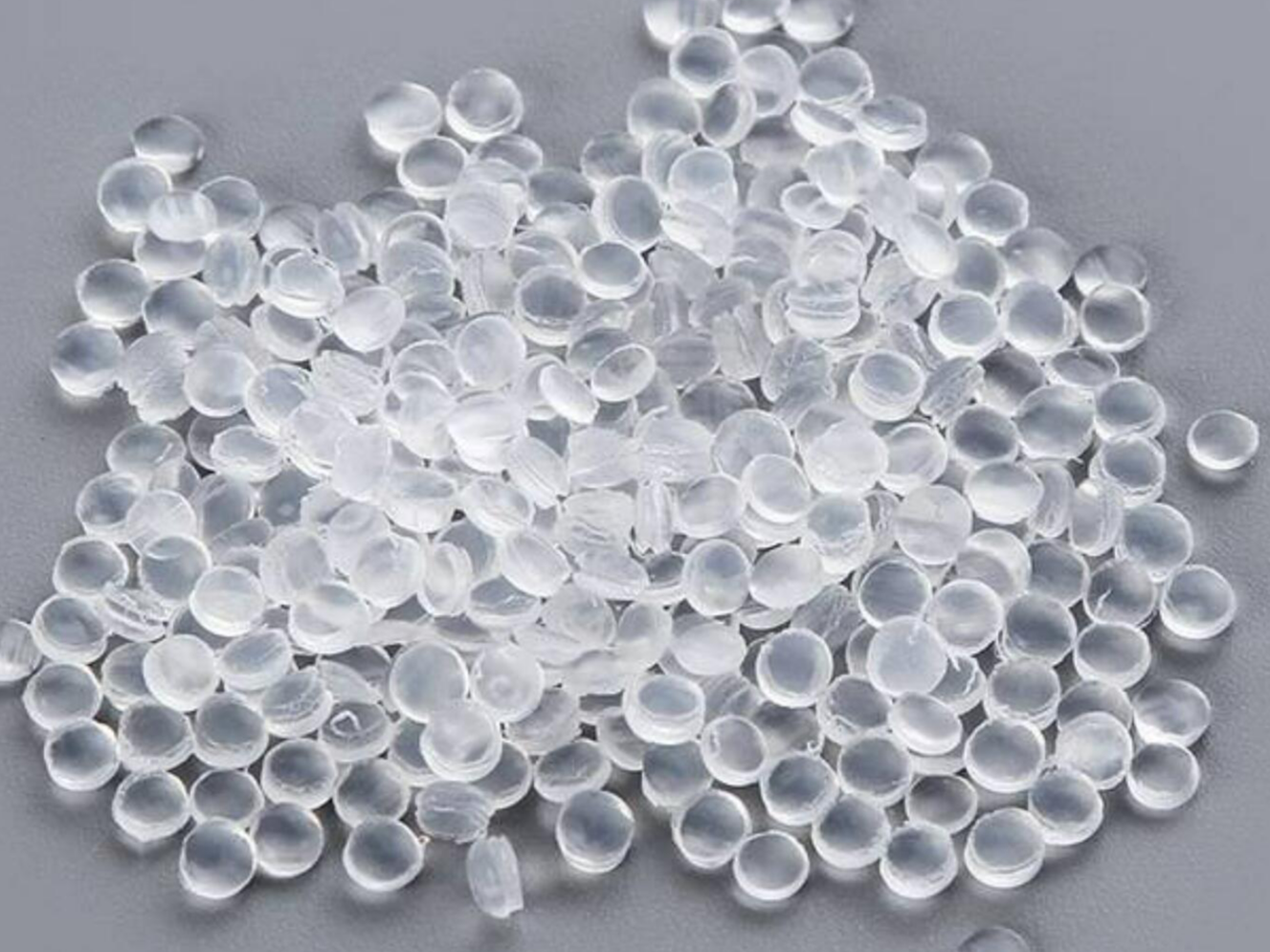
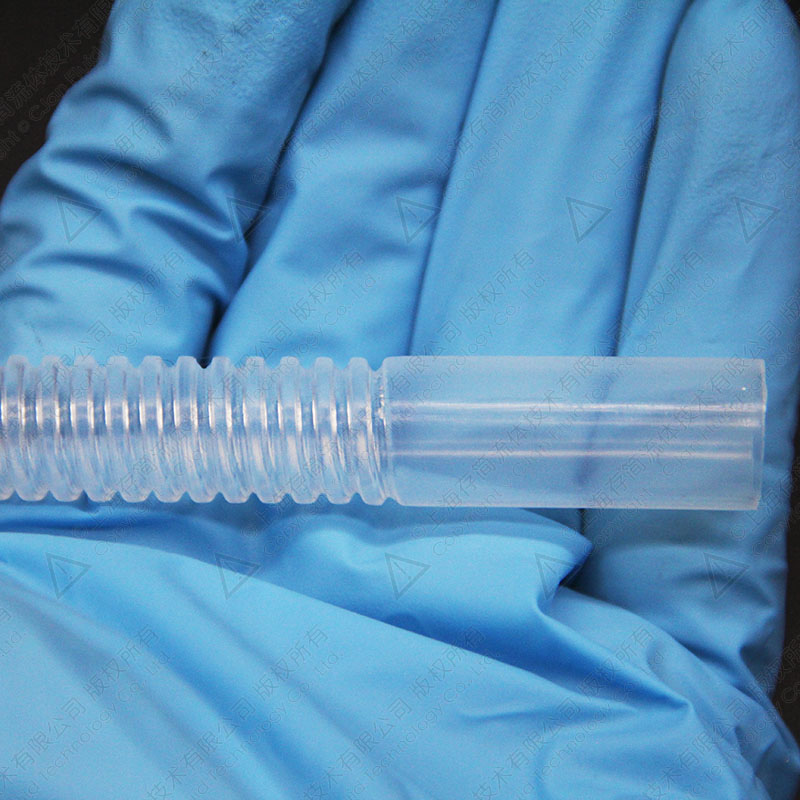
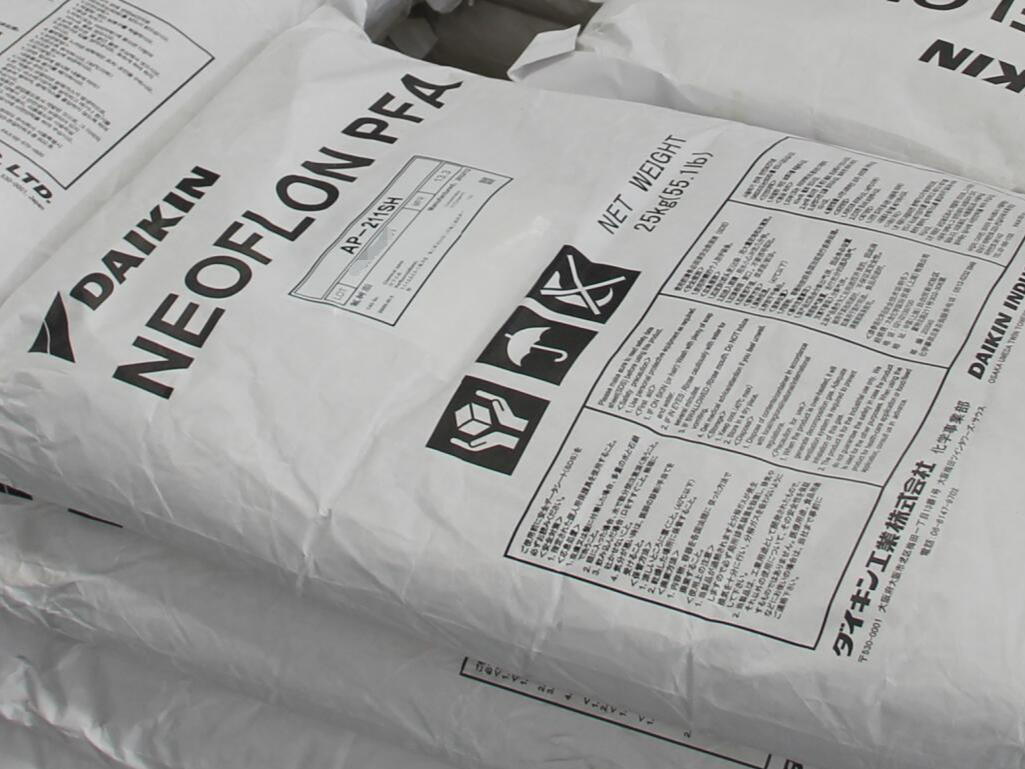
High-purity piping forms the foundation of the entire system and is used to convey various chemical media.Common materials include: PFA tubing
PTFE tubing
PVDF tubing
These materials offer excellent corrosion resistance and low outgassing, making them suitable for high-purity environments.
2. Fittings and Connection Components
Used to connect different pipelines and form a complete system structure, including:
Straight connectors
Tee connectors
Flare fittings
Compression fittings
These connectors require high sealing performance and stability.
3. Valve System
Valves control fluid on/off and flow direction, serving as critical control components in the system.Common types include: Diaphragm valves
Ball valves
Regulating valves
4. Filtration System
Filters remove particles and impurities to maintain fluid cleanliness.In the semiconductor industry, filtration precision requirements are extremely high. 5. Fluid Storage and Distribution System
Used for storing and distributing chemicals or ultrapure water, including:
6. Control and Monitoring System
Monitors system operating status, including:
Pressure monitoring
Flow control
Temperature monitoring
Automated control systems help improve production stability.
III. Structural Features
High Cleanliness RequirementsThe system must maintain extremely low levels of particulate and ionic contamination to meet semiconductor manufacturing standards. Strong Corrosion ResistanceDue to exposure to various chemicals, system materials must provide excellent corrosion resistance. High‑Seal DesignAll connection points must be leak‑free to avoid contamination and safety risks. Stability and ReliabilityThe system must operate stably for long periods with minimal maintenance. Modular DesignModern semiconductor fluid systems often adopt a modular design for easier installation and maintenance.
IV. Typical Application Scenarios
Semiconductor fluid delivery systems are widely used in:
Wafer manufacturing processes (chemical cleaning and treatment)
Ultrapure Water (UPW) systems
Chemical delivery systems (acids, alkalis, solvents)
Process equipment integration
V. How to Design and Select a Fluid Delivery System?
Key considerations during design and selection:
Fluid type and purity requirements
Material compatibility
Operating pressure and temperature
System layout and space constraints
Industry standards and specifications
Proper design improves system stability and production efficiency.
VI. Frequently Asked Questions (FAQ)
Why do semiconductor fluid systems require high purity?
Even trace contamination can affect chip quality, so impurity levels must be strictly controlled.
Why are PFA and PTFE commonly used?
These materials feature low outgassing, corrosion resistance, and high stability, making them ideal for high-purity environments.
Do semiconductor fluid systems require regular maintenance?
Yes. Regular inspection of piping, valves, and filters is necessary to ensure stable operation.
What is the difference between UPW systems and ordinary water systems?
Ultrapure water systems have much higher water quality requirements, removing ions, particles, and organic compounds.
VII. Summary
The semiconductor fluid delivery system is an indispensable part of chip manufacturing. It consists of high-purity piping, fittings, valves, filtration systems, control systems, and other modules, with characteristics of high cleanliness, strong corrosion resistance, and high stability.
As semiconductor manufacturing processes continue to advance, requirements for fluid delivery systems keep rising.Selecting the right materials and components is critical for stable system operation. For example, Shanghai CunJian Fluid Technology Co., Ltd. provides a variety of high-purity pipes, fittings, and supporting products in the fluid transmission field, offering selection guidance and technical support for different semiconductor applications.





 Home
Home 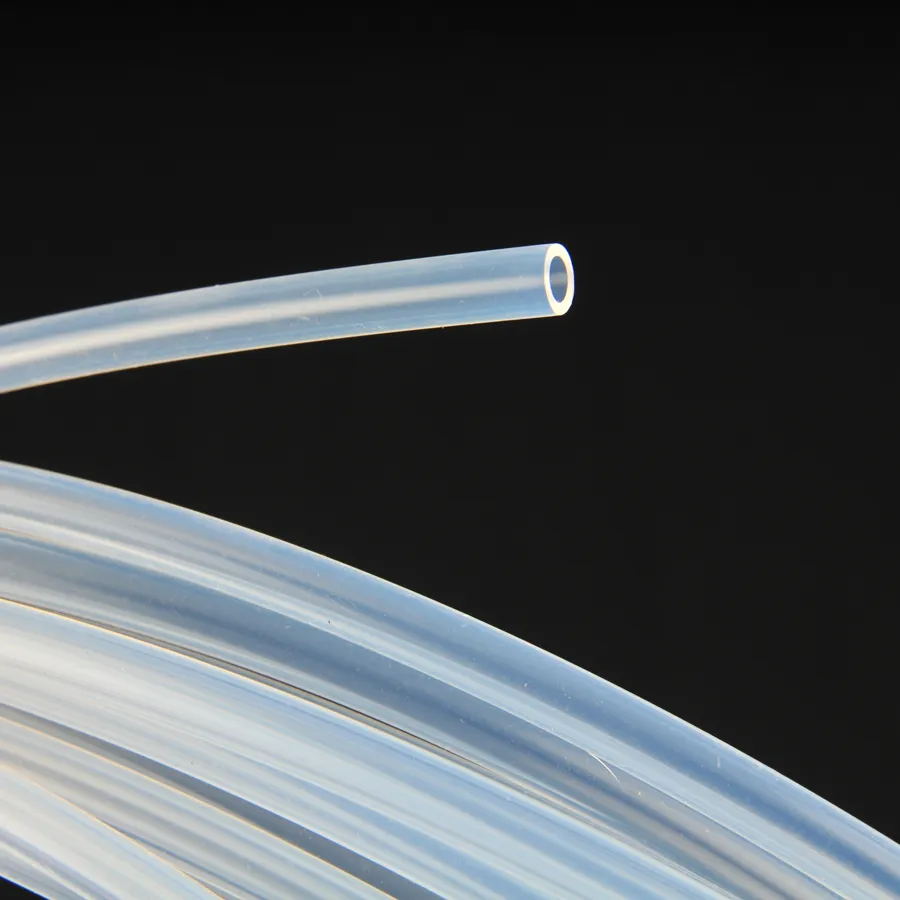

 TikTok
 H5 Webpage