
In industries such as semiconductors, biopharmaceuticals, and fine chemicals, fluid purity directly affects product quality and process stability. A high purity fluid handling system is designed to ensure that fluids remain free from contamination, particles, and chemical reactions during transportation.
This article provides a comprehensive overview of high purity fluid systems, including their components, key technical specifications, and how they compare with conventional industrial piping systems.
1. What Is a High Purity Fluid Handling System?
A high purity fluid handling system refers to a specialized piping and connection system used to transport ultra-clean liquids or gases, such as:
Ultra Pure Water (UPW)
Semiconductor chemicals (HF, HCl, H₂SO₄)
High purity gases
Pharmaceutical fluids
The system is engineered to achieve:
Low extractables
Low particle generation
High chemical resistance
Leak-free sealing performance
2. Main Components of a High Purity Fluid System
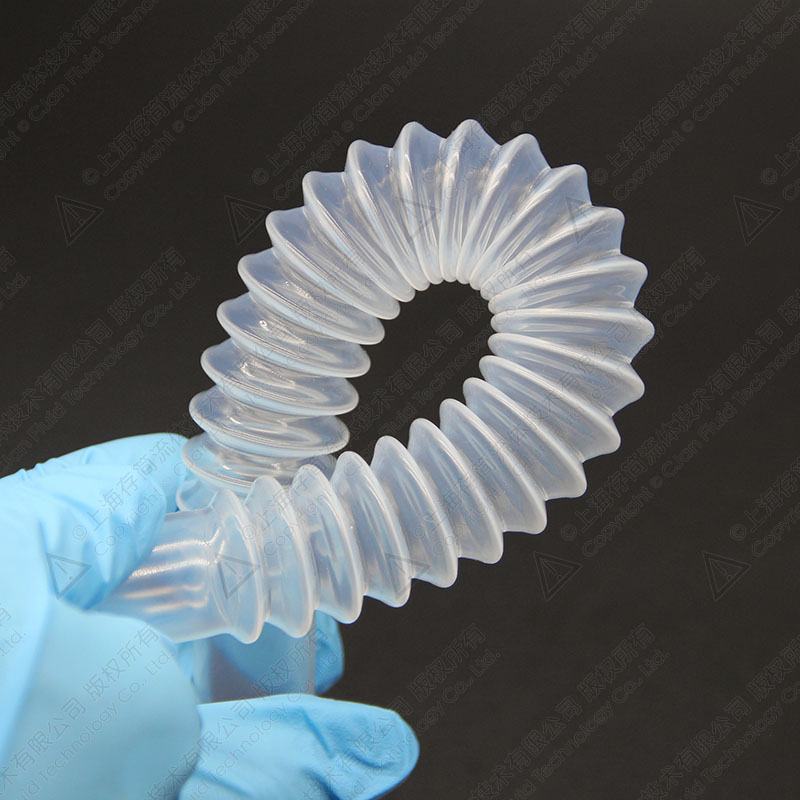
2.1 High Purity Tubing
Common materials include:
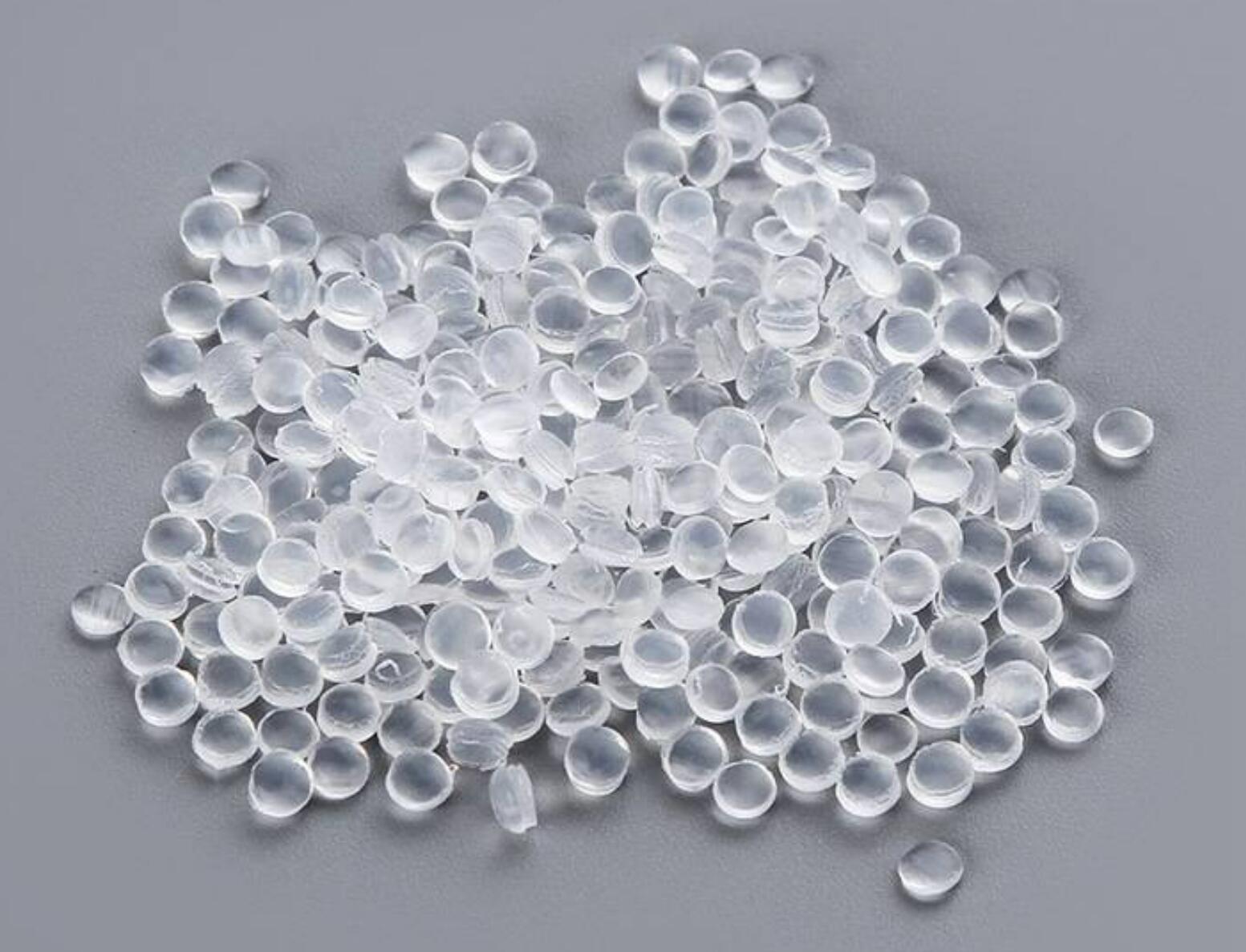
PFA (Perfluoroalkoxy)
PTFE (Polytetrafluoroethylene)
PVDF (Polyvinylidene fluoride)
Electropolished Stainless Steel (EP SS)
PFA is widely used in semiconductor applications due to its excellent weldability and purity.
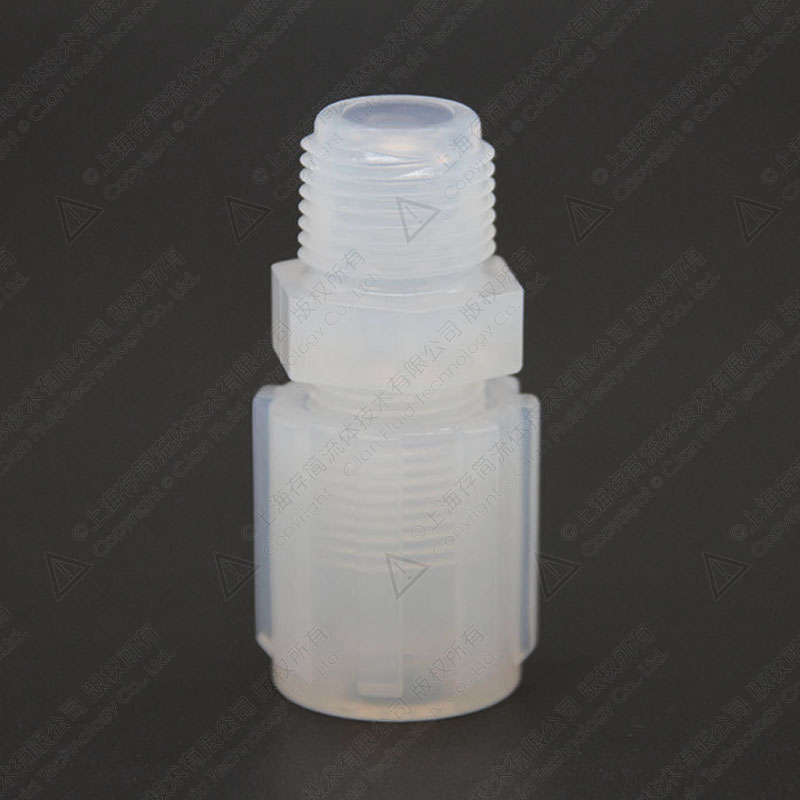
2.2 High Purity Fittings
Double ferrule fittings
Fusion welding fittings (butt fusion / socket fusion)
Face seal fittings
Advanced systems use zero dead volume design to eliminate fluid stagnation.
2.3 Valves and Control Components
Diaphragm valves
High purity ball valves
Pressure regulators
2.4 Sealing Materials
PTFE
PFA
FKM (for specific applications)
3. Key Technical Specifications
These parameters are critical for designing and selecting a high purity fluid system:
3.1 Surface Roughness (Ra)
Electropolished stainless steel: Ra ≤ 0.25 μm (semiconductor grade)
Advanced systems: Ra ≤ 0.13 μm
Lower roughness reduces particle adhesion and contamination risk.
3.2 Particle Control
Control for particles ≥0.1 μm
Cleanroom compatibility: ISO Class 3–5
3.3 Extractables (Metal Ion Release)
Controlled at ppb (parts per billion) level
Key ions: Na, K, Fe, Ca
3.4 Temperature Resistance
PTFE/PFA: -200°C to +260°C
PVDF: -40°C to +140°C
3.5 Chemical Resistance
PTFE/PFA: resistant to almost all acids, bases, and solvents
PVDF: suitable for most chemicals but limited in strong oxidizing environments
3.6 Pressure Rating
Standard systems: 0.6 – 2.5 MPa
Custom systems can handle higher pressure
4. High Purity System vs Conventional Industrial System
Parameter | High Purity System | Conventional System |
Materials | PFA / PTFE / EP SS | PVC / Rubber |
Surface Finish | Ultra-smooth | Standard |
Particle Control | Strict | Minimal |
Cleanliness | High | Moderate |
Applications | Semiconductor / Pharma | General Industry |
5. How to Select a High Purity Fluid System?
5.1 Based on Media
Strong acids (HF, HCl): PTFE or PFA
Ultra pure water: PFA preferred
5.2 Based on Purity Requirements
Semiconductor: ultra-high purity required
Pharmaceutical: GMP-compliant materials
5.3 Based on Connection Method
High purity: fusion welding systems
Maintainability: mechanical fittings
5.4 Based on Lifecycle Cost
Long-term operation: invest in high-end materials
Low-demand applications: cost-optimized solutions
6. Industry Solutions and Manufacturers
In the global market:
International brands focus on semiconductor-grade high purity systems
Domestic manufacturers are improving in customization and cost efficiency
For example, Shanghai Cunjian Fluid Technology Co., Ltd. specializes in high purity fluid handling solutions, offering optimized PTFE/PFA tubing systems and reliable connection technologies for semiconductor and chemical industries.
7. Conclusion
A high purity fluid handling system is essential for industries where contamination control is critical. Compared to conventional systems, it offers:
Superior cleanliness
Enhanced chemical resistance
Longer service life
Selecting the right materials and system design is crucial to ensure process safety and product quality.
8. FAQ (Frequently Asked Questions)
1. What is a high purity fluid handling system?
It is a specialized piping system designed to transport ultra-clean fluids without contamination, particle generation, or chemical interaction.
2. What materials are used in high purity systems?
Common materials include PFA, PTFE, PVDF, and electropolished stainless steel.
3. Why is surface roughness important?
Lower surface roughness reduces particle adhesion and improves fluid cleanliness.
4. Can PVC or rubber hoses be used?
No. PVC and rubber are not suitable due to potential contamination and extractables.
5. What industries use high purity fluid systems?
Semiconductor, pharmaceutical, biotechnology, and high-end chemical industries.

CJan Fluid Technology Co., Ltd. is a professional supplier of fluid technology solutions. Since establishment, we have been committed to solving fluid technology problems for global customers through our own research and development, import agency, and customized product services.



 Home
Home 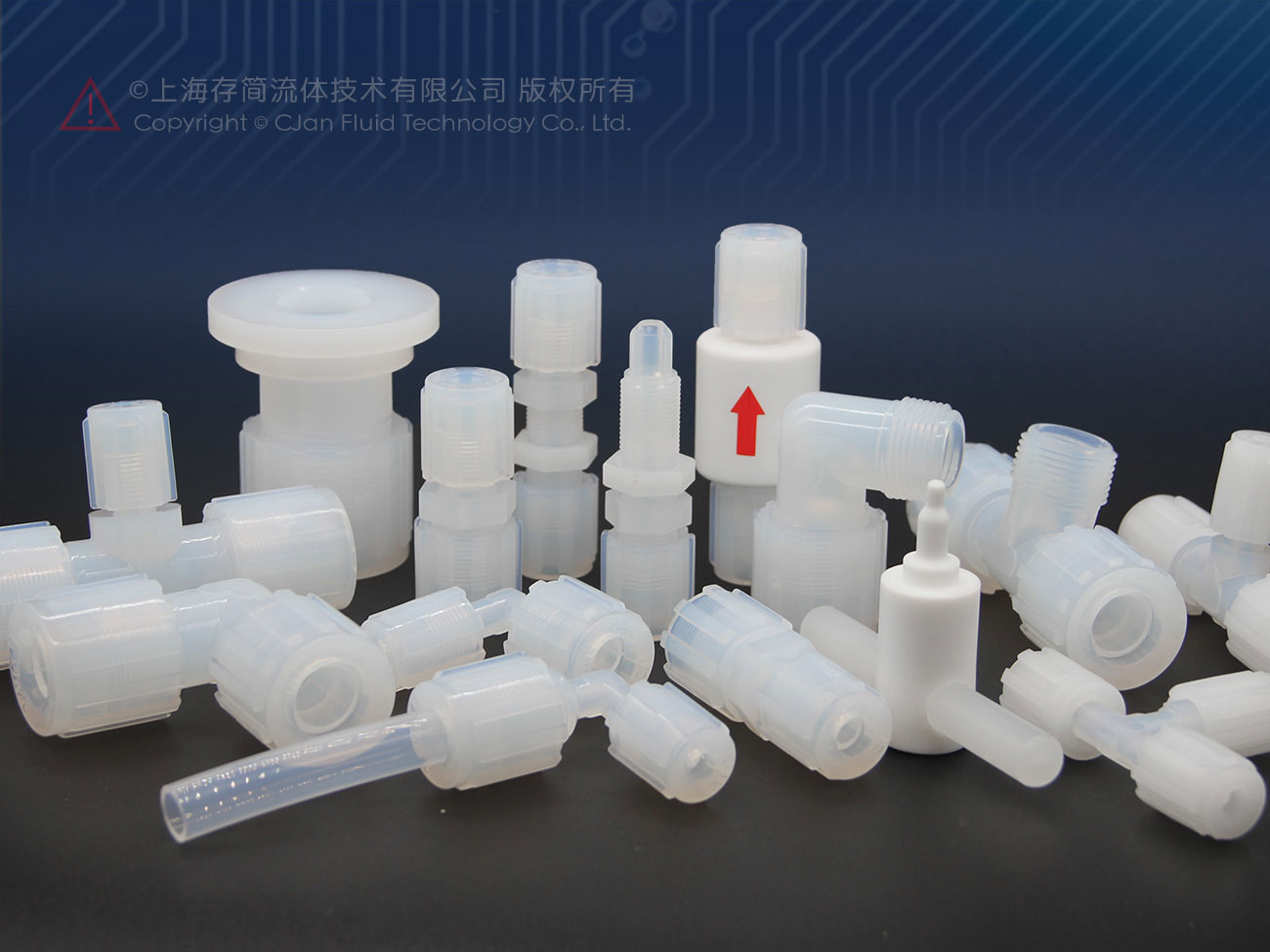

 TikTok
 H5 Webpage