
Some wet-process operations in photovoltaic manufacturing use acids, alkalis, and other process chemicals, making corrosion-resistant and reliably connected fluid transfer systems essential. During wafer cleaning, texturing, surface treatment, and chemical delivery, tubing and fittings must withstand the actual process media, temperature, pressure, and operating cycles. PFA (perfluoroalkoxy) fittings offer good chemical resistance and material properties suitable for certain high-purity fluid applications, making them an option for chemical delivery systems when their operating limits are met.
Photovoltaic manufacturing processes vary by cell technology and production line. Not every process uses the same chemicals or requires the same piping materials. The suitability of PFA fittings must be verified against the chemical type, concentration, temperature, pressure, connection design, and product-specific technical documentation.
Key takeaway: Selecting fluid piping for photovoltaic chemical delivery requires more than chemical resistance. Connection integrity, fluid cleanliness, material compatibility, and maintenance requirements also matter. PFA fittings are one option for selected corrosive chemical and high-purity fluid systems.
Corrosion-resistant fluid piping helps photovoltaic equipment transfer process chemicals safely and consistently when the selected materials are compatible with the media. It can reduce operating risks associated with material degradation, connection leakage, and unplanned maintenance.
Some crystalline-silicon manufacturing processes involve wafer cleaning, texturing, surface treatment, and other wet-process operations. Depending on the process, these steps may use acidic, alkaline, or oxidizing chemicals. Different chemicals affect piping materials differently, and concentration, temperature, and contact time can influence long-term performance.
If a material is incompatible with the process fluid, it may experience degradation, swelling, aging, reduced performance, or connection failure. Material selection should therefore be based on the actual chemical formulation and operating conditions rather than a general “acid-resistant” or “alkali-resistant” label.
A chemical delivery system consists of tubing or rigid pipe, fittings, valves, seals, and equipment interfaces. Even if the pipe material has good chemical resistance, an unsuitable connection design, incorrect installation, or incompatible seal material can still cause leakage.
Using compatible fittings, appropriate sealing structures, and correct installation procedures helps improve connection reliability and may reduce downtime associated with maintenance, replacement, and leak response.
Processes sensitive to particles, metal ions, or other contaminants require careful consideration of fluid-contact material cleanliness, extractables, internal surface condition, and installation practices. Fluoropolymers such as PFA are used in selected high-purity chemical and fluid transfer applications and can reduce certain contamination risks associated with direct contact between process fluids and metallic materials.
However, the material alone cannot guarantee that an entire system meets a specific cleanliness level. Performance also depends on manufacturing controls, clean packaging, installation tools, flushing procedures, and system management.
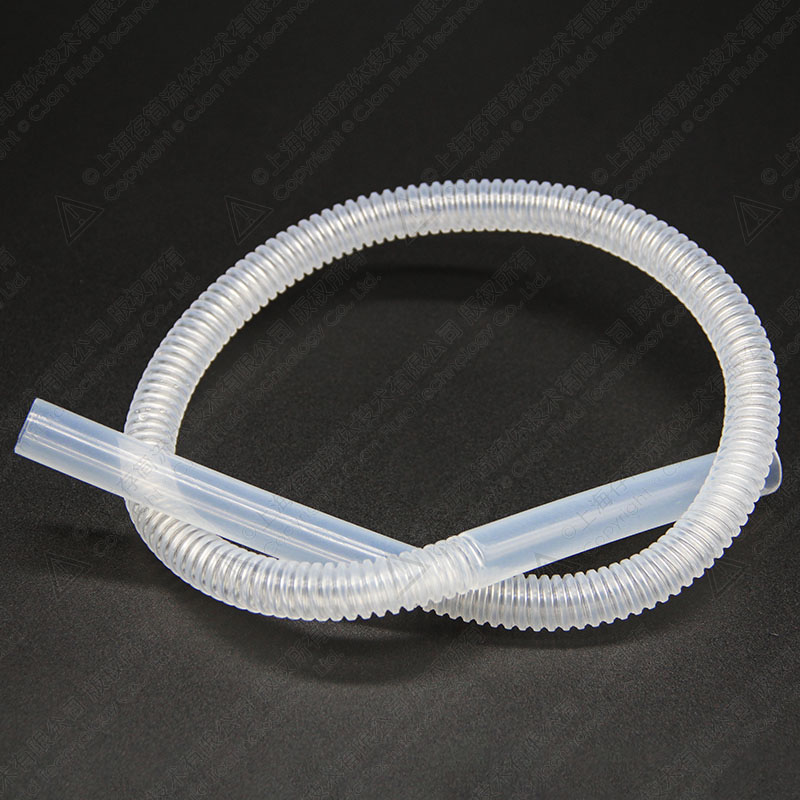
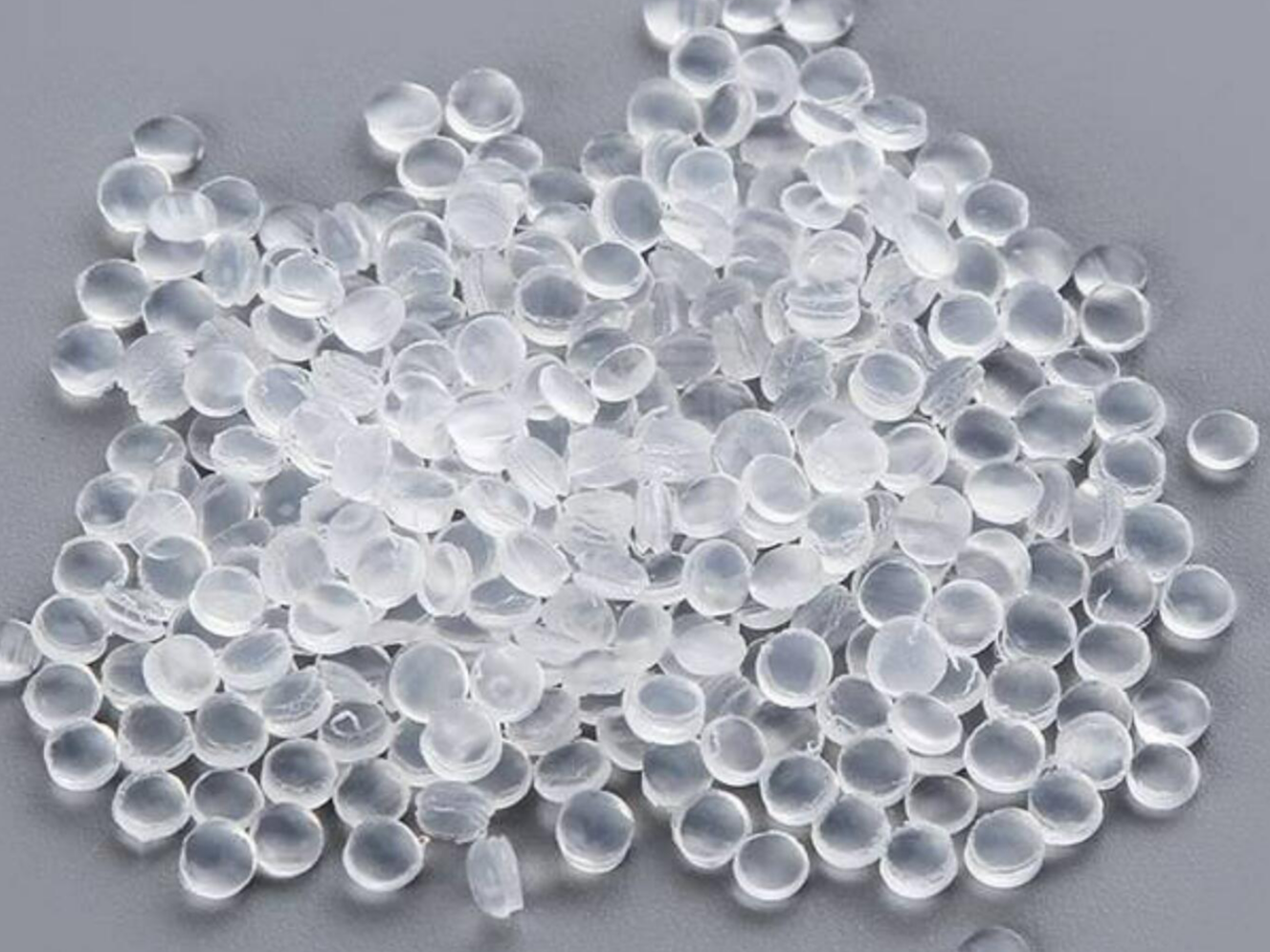
PFA is a fluoropolymer with good resistance to many acids, alkalis, and other chemicals. It can therefore be used in corrosive chemical transfer lines when compatibility with the actual process media has been confirmed.
In photovoltaic manufacturing, PFA fittings may be used in selected cleaning chemical supply lines, chemical distribution systems, and equipment-side fluid connections. Before use, verify the chemical concentration, temperature, pressure, and contact time. Particular attention is required for specialty solvents, mixed chemicals, and elevated-temperature conditions.
With an appropriate material grade and manufacturing controls, PFA fittings can be used in fluid transfer systems with defined cleanliness requirements. For contamination-sensitive processes, selection should also consider material grade, internal cleanliness, particle control, packaging, and the relevant technical documentation.
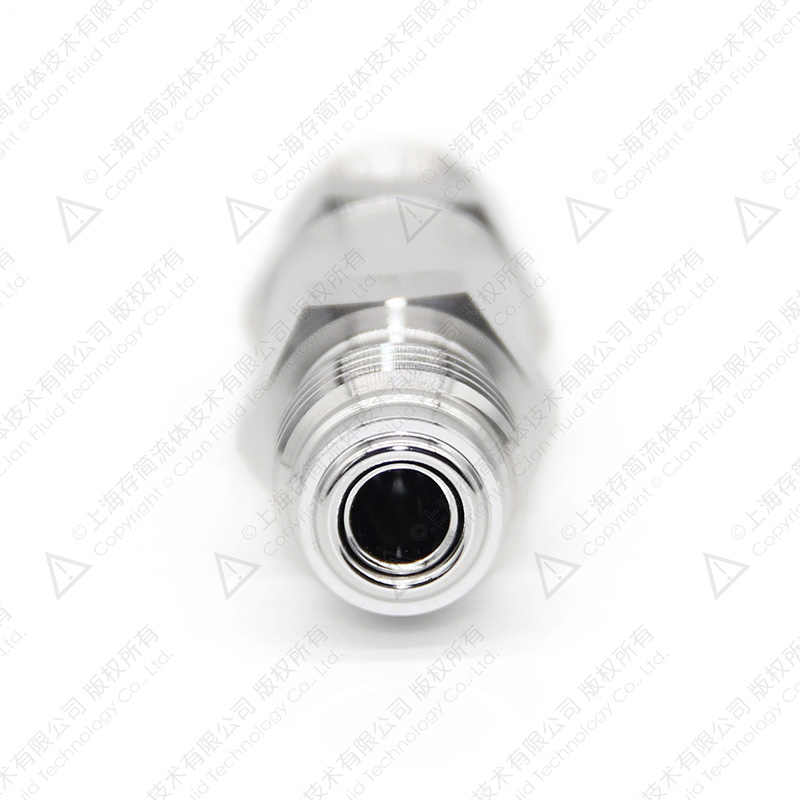
PFA fittings may be available in straight, elbow, tee, reducer, and other connection configurations, depending on the product series and connection design. Selecting the right fitting layout helps engineers create branch lines, change flow direction, and connect tubing to process equipment.
Selection should also account for tubing dimensions, connection type, sealing method, installation space, and pressure and temperature limits. Connection designs should not be considered interchangeable merely because they look similar.
Wafer cleaning and wet-process equipment must deliver cleaning solutions, rinsing fluids, and other specified chemicals according to the process requirements. For compatible operating conditions, PFA fittings may be used in chemical supply lines, branch connections, and equipment fluid interfaces.
Key considerations include chemical compatibility, connection sealing, temperature variation, line cleanliness, and ease of maintenance. The material should be selected according to the actual chemicals used by the equipment.
Some crystalline-silicon cell processes include texturing and surface treatment steps. Depending on the process, the equipment may use specific acidic or alkaline solutions and other process media. PFA fittings can be used for chemical delivery and equipment connections when material compatibility, connection design, and operating conditions meet the requirements.
Photovoltaic technologies, equipment designs, and process formulations vary. No single fitting material should be assumed to be the universal solution for every texturing or surface treatment process.
Centralized chemical supply and point-of-use distribution systems use main lines, branch lines, valves, and fittings to deliver specified fluids to different pieces of equipment. PFA fittings can be used for branch connections, changes in flow direction, and equipment interfaces when their material and pressure ratings are suitable.
System design should also consider flow requirements, pressure drop, branch isolation, maintenance access, leak detection, and service procedures. Fitting material is only one part of overall system design.
PFA fittings may be used in selected high-purity water, deionized water, or other process-fluid connections where fluid-contact material control is required. Suitability depends on the required cleanliness level and product specifications.
High-purity water systems still require appropriate assessment of particle control, ionic extractables, internal cleanliness, flushing procedures, and compatibility across the complete system.
| Fitting Type | Typical Function | Key Selection Factors |
|---|---|---|
| PFA straight fitting | Connects two compatible tubing or piping sections. | Size matching, connection type, sealing method, and pressure rating. |
| PFA elbow fitting | Changes flow direction to suit equipment layout. | Installation space, flow-path design, and connection reliability. |
| PFA tee fitting | Creates branch lines or multi-way connections. | Branch dimensions, flow distribution, dead spaces, and cleaning requirements. |
| PFA reducer fitting | Connects lines of different sizes. | End dimensions, flow changes, and interface compatibility. |
| PFA compression or flare-type fitting | Provides a detachable tubing-to-equipment connection according to the specific design. | Tubing compatibility, installation method, sealing structure, and operating ratings. |
These categories describe common fitting configurations. Actual availability, dimensions, and connection types depend on the product catalog. Confirm compatibility before installation because interface designs may differ between product series.
1. Verify the chemical type and concentration
Identify the actual process fluid, concentration, mixture ratio, impurity profile, and contact time. For mixed chemicals or specialty process fluids, verify compatibility against the specific formulation.
2. Confirm the temperature and pressure range
Check normal operation, start-up and shutdown conditions, and potential peak temperature and pressure. Confirm the rating of the specific fitting under those conditions. A material's temperature resistance does not automatically mean that the complete connection assembly has the same pressure rating at that temperature.
3. Match the tubing and connection design
Confirm that the fitting matches the tubing or pipe dimensions and interface design. Follow the product's installation instructions. Similar nominal dimensions do not guarantee interchangeability between different connection systems.
4. Evaluate seals and the complete assembly
Check seal materials, connection methods, installation tools, and maintenance requirements. Chemical resistance of the fitting body alone does not prove that seals, valves, or the complete assembly are suitable.
5. Confirm cleanliness and quality documentation
For contamination-sensitive processes, review material grade, product cleanliness, batch traceability, inspection reports, and other applicable documentation. Define installation, flushing, and maintenance requirements as part of the overall system plan.
CJan Fluid Technology Co., Ltd. supplies fluid transfer and connection products and can discuss fitting configurations, piping connection methods, and operating conditions according to specific application requirements.
For corrosive chemical delivery and high-purity fluid connections in photovoltaic manufacturing, customers should identify the process media, concentration, temperature, pressure, tubing dimensions, and cleanliness requirements before confirming the suitability of a particular PFA fitting model.
Website: www.cjansemi.com
Q1. Why does the photovoltaic industry need corrosion-resistant fluid piping?
Some wet-process operations in photovoltaic manufacturing require acids, alkalis, or other process chemicals. Suitable corrosion-resistant piping helps reduce the risk of material damage, leakage, and unplanned downtime, but it must be selected for the actual media and operating conditions.
Q2. Are PFA fittings compatible with every chemical used in photovoltaic manufacturing?
No universal compatibility claim should be made. PFA resists many chemicals, but compatibility must still be verified for the specific chemical, concentration, temperature, pressure, and contact time.
Q3. Can PFA fittings be used in high-purity fluid systems?
Selected PFA fittings can be used in high-purity fluid systems. Whether a specific product meets the required cleanliness level depends on material grade, manufacturing and cleaning controls, packaging, installation methods, and product documentation.
Q4. What types of PFA fittings are commonly used in photovoltaic equipment?
Common configurations include straight fittings, elbows, tees, reducers, and other tubing connectors. The appropriate product depends on tubing dimensions, interface type, installation space, and operating conditions.
Q5. What is the most important factor when selecting PFA fittings?
Start by confirming chemical compatibility, temperature and pressure limits, tubing and interface compatibility, seal materials, cleanliness requirements, and product documentation. The complete connection assembly should be evaluated for the intended application.
Some wet-process operations in photovoltaic manufacturing place demanding requirements on corrosion resistance, connection reliability, and fluid cleanliness. With good chemical resistance and properties suitable for selected high-purity fluid systems, PFA fittings can be used in chemical delivery and equipment connection applications when compatibility and operating conditions have been verified.
Effective selection starts with the actual process chemicals and operating conditions. Fitting design, seal materials, connection methods, and product documentation must also be checked. Evaluating the complete fluid transfer system helps ensure that the solution matches the operating and maintenance requirements of photovoltaic manufacturing equipment.
The key to corrosion-resistant fluid piping is not simply choosing PFA, but matching the material, connection components, and actual operating conditions.

CJan Fluid Technology Co., Ltd. is a professional supplier of fluid technology solutions. Since establishment, we have been committed to solving fluid technology problems for global customers through our own research and development, import agency, and customized product services.



 Home


 TikTok
 H5 Webpage