
Semiconductor manufacturing requires fluid handling systems with carefully controlled cleanliness, chemical compatibility, and connection integrity. From wet cleaning and etching to chemical distribution and ultrapure water delivery, every hose, tube, valve, fitting, and sealing component must be selected according to the process fluid and operating conditions.
A semiconductor equipment fluid handling system typically includes tubing and piping, fittings, valves, seals and gaskets, filtration components, flow and pressure instrumentation, and monitoring or control devices. PFA tubing and fittings are commonly considered for compatible high-purity liquid and corrosive chemical applications. VCR metal gasket face seal fittings, by contrast, are commonly used in high-purity gas and specialty gas systems and other applications qualified for this connection design.
PFA tubing and VCR fittings serve different functions. PFA is a fluoropolymer material used for tubing and compatible components; VCR describes a metal gasket face seal connection design. They should not be treated as interchangeable products.
A semiconductor fluid handling system delivers specified chemicals, ultrapure water, gases, or other process media to the required point of use while helping control contamination and maintain process stability.
| Component | Main Function | Key Selection Factors |
|---|---|---|
| Flexible hoses and rigid tubing | Transport process fluids | Material compatibility, cleanliness, pressure, temperature |
| Fittings and connectors | Connect, branch, reduce, or redirect flow | Interface dimensions, sealing method, installation space |
| Valves | Control flow and isolate lines | Fluid compatibility, sealing, actuation |
| Filters and purification components | Control specified particles or contaminants | Filtration rating, compatibility, pressure drop |
| Flowmeters and pressure sensors | Monitor system operating conditions | Range, accuracy, fluid compatibility |
| Seals and gaskets | Maintain sealing at connections | Material compatibility, pressure, temperature |
The exact configuration depends on the equipment and process. Chemical delivery lines in wet-process tools may have different material and connection requirements from gas delivery systems. Selection should therefore be based on the specific process rather than a single universal piping standard.
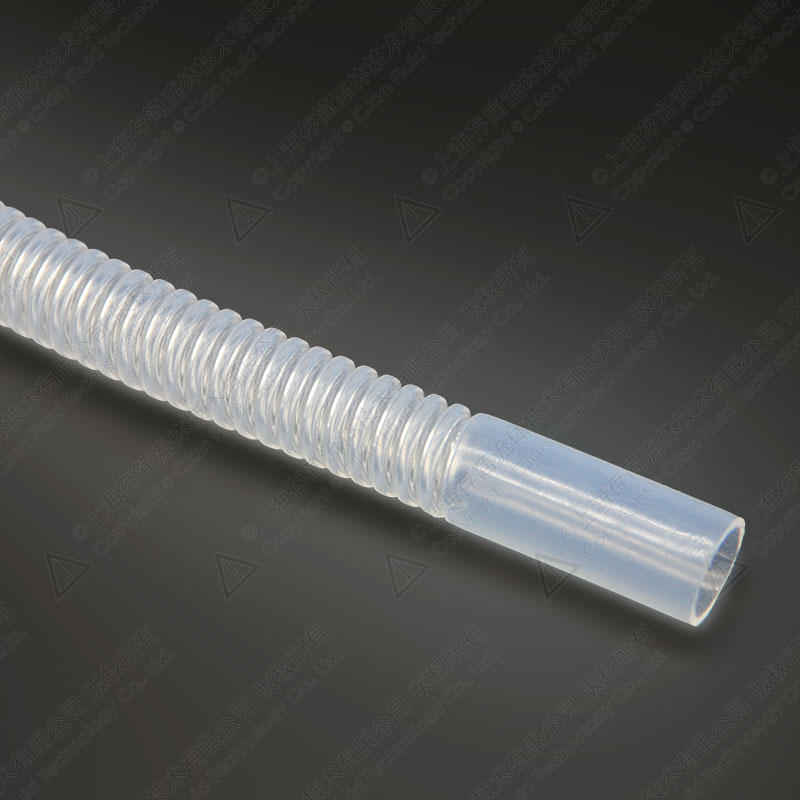
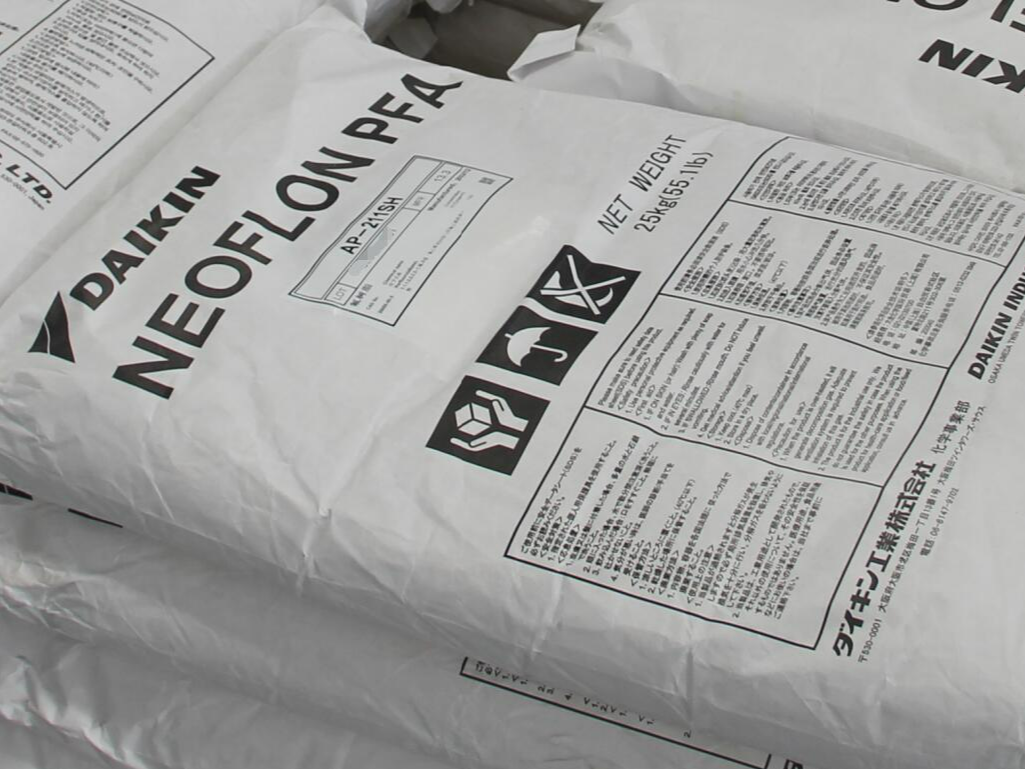
PFA, or perfluoroalkoxy polymer, is a melt-processable fluoropolymer known for its chemical resistance and thermal capability. Suitable PFA tubing and fittings can be used in qualified semiconductor applications involving high-purity chemical delivery, wet processing, chemical distribution, and other compatible fluid services.
Suitable grades of PFA can resist many corrosive chemicals. However, compatibility depends on the exact chemical, concentration, temperature, pressure, exposure duration, and specific product formulation. The term “PFA” alone does not guarantee compatibility with every semiconductor chemical. Check the manufacturer's compatibility data for the actual process conditions.
Semiconductor processes can be sensitive to particles, metallic ions, and other contaminants. PFA products intended for high-purity applications should be evaluated according to their resin grade, manufacturing environment, cleaning and packaging processes, and available cleanliness or extractables data.
Using PFA material does not automatically mean that an entire fluid handling system meets a particular high-purity specification. Fittings, valves, connection interfaces, installation practices, and system flushing can also affect overall cleanliness.
PFA tubing and compatible fittings can support different equipment layouts, including straight runs, bends, branches, and changes in tube size. Where flexible tubing is used, the actual product's bend radius, pressure capability, and temperature range must be verified.
Depending on the product design, PFA systems may use flare connections, compression-style or clamping connections, or thermal fusion welding. Each method has its own requirements for tube dimensions, pressure, temperature, installation tools, and maintenance. Follow the applicable product and installation instructions.
Wet cleaning and etching equipment: Delivery of specified process chemicals or rinsing fluids.
Chemical supply and distribution systems: Transfer of compatible liquids from storage or distribution units to the point of use.
Chemical mechanical planarization (CMP) systems: Fluid delivery selected according to process chemistry, cleanliness requirements, and system design.
Ultrapure water and cleaning-fluid lines: Tubing, valves, and fittings selected to meet system cleanliness requirements.
Equipment-level fluid connections: Tubing assemblies designed around available space, service requirements, fluid, and operating pressure.
These are common application categories, not a guarantee that every PFA product is suitable for every process. Final selection must be based on product specifications and process qualification.
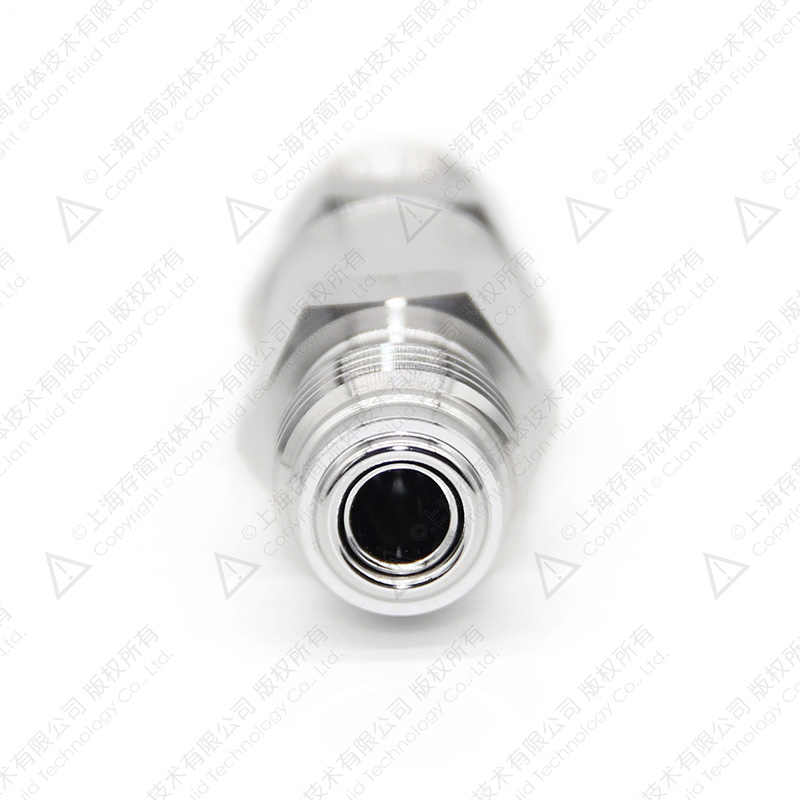
VCR is a commonly used name for a metal gasket face seal fitting design. A typical assembly forms a seal by compressing a metal gasket between mating sealing surfaces. VCR fittings are commonly used in high-purity gas and specialty gas systems and may be used in other fluid services when the specific application has been properly evaluated.
A typical VCR assembly includes fitting bodies, sealing surfaces, a metal gasket, and connecting nuts or related hardware. Sealing performance depends on the fitting design, surface condition, gasket material, assembly procedure, and operating conditions.
Metal gasket face seal: The connection uses a metal gasket compressed between mating sealing surfaces. Actual leakage performance must be verified against product specifications and test conditions.
High-purity gas applications: VCR fittings are commonly selected for high-purity and specialty gas lines. Suitability for liquid or chemical service requires separate evaluation.
Serviceability: Properly designed assemblies can be disassembled for maintenance and gasket replacement. Inspect sealing surfaces and follow the manufacturer's assembly instructions.
Material and cleanliness control: The fitting body and gasket must be selected according to the process medium, temperature, pressure, and cleanliness requirements.
PFA tubing and VCR fittings are different product categories, not direct substitutes. PFA describes a fluoropolymer material used to manufacture tubing and related components. VCR describes a metal gasket face seal connection design.
| Comparison | PFA Tubing and Fittings | VCR Metal Gasket Face Seal Fittings |
|---|---|---|
| Core design | Fluoropolymer tubing and compatible components | Metal gasket face seal connection |
| Main considerations | Chemical resistance, cleanliness, routing | Sealing surfaces, gasket, assembly, leakage performance |
| Typical applications | Compatible high-purity chemicals and liquid delivery | High-purity gases, specialty gases, and qualified fluid services |
| Key selection factors | Fluid, concentration, temperature, pressure, tube dimensions | Interface size, materials, gasket, pressure, temperature |
VCR is a connection design, not a type of PFA fitting. VCR assemblies typically rely on metal sealing surfaces and a metal gasket, while PFA tubing generally connects through a compatible polymer tubing connection system. Both may be present in different subsystems of the same semiconductor tool, but their interfaces should not be assumed to connect directly without a suitable engineered transition.
Define the process medium: Identify the exact chemical or gas, concentration, temperature, operating pressure, flow rate, and exposure duration.
Establish cleanliness requirements: Confirm applicable requirements for particles, metallic contamination, extractables, cleaning, and packaging.
Verify the connection design: Check tube dimensions, interface specifications, sealing method, and installation clearance.
Confirm pressure and temperature ratings: Check the selected product's ratings under actual operating conditions.
Follow installation and maintenance procedures: Use the correct procedure for the selected PFA connection method or VCR assembly.
CJan Fluid Technology Co., Ltd. provides PFA tubing, PFA fittings, and related fluid connection product options for evaluation in semiconductor and other high-purity fluid handling applications.
For semiconductor equipment projects, product selection should be based on the actual process medium, tubing dimensions, operating temperature and pressure, cleanliness requirements, and connection design. For VCR-style metal gasket face seal connections, verify the interface specification, fitting material, gasket requirements, and suitability for the intended service separately.
What are PFA tubes mainly used for in semiconductor equipment?
PFA tubing is used in qualified applications such as high-purity chemical delivery, wet cleaning, etching, chemical distribution, and other compatible fluid systems. Suitability depends on the product grade and actual process conditions.
Can PFA tubing handle every semiconductor chemical?
No. Chemical compatibility depends on the chemical, concentration, temperature, exposure duration, and specific product construction. Check the manufacturer's data for the intended service.
Are VCR fittings mainly used for gases or liquids?
VCR metal gasket face seal fittings are commonly used in high-purity and specialty gas systems. They may also be used in other fluid services when the materials, gasket, cleanliness, and operating conditions have been qualified.
Can PFA fittings be directly substituted for VCR fittings?
No, not without considering the connection design. The two use different material systems and sealing principles. Connecting different types of systems may require a properly engineered transition component.
What matters most when selecting high-purity semiconductor tubing?
Important factors include chemical compatibility, cleanliness, extractables, operating temperature and pressure, connection design, sealing reliability, and installation quality. Priorities depend on process requirements.
A semiconductor fluid handling system typically combines tubing, fittings, valves, seals, filtration components, and monitoring devices. PFA tubing and fittings can be valuable for compatible high-purity chemical and corrosive liquid applications, while VCR metal gasket face seal fittings are commonly used in high-purity gas systems and other qualified connection applications.
The right solution depends on the process medium, cleanliness requirements, operating conditions, connection design, and maintenance needs. Each component—and the complete assembled system—must be suitable for its intended service.

CJan Fluid Technology Co., Ltd. is a professional supplier of fluid technology solutions. Since establishment, we have been committed to solving fluid technology problems for global customers through our own research and development, import agency, and customized product services.



 Home

 TikTok
 H5 Webpage